
“What do you do?” is a common question when meeting new people during social gatherings, my response, “I am
a maker educator”. The look I get is usually of confusion and sometimes I get a surprised reaction
when they are familiar with the maker movement but didn’t know it could align with formal education. Strangely, among a society
of game changers such as Uber, TaskRabbit, and Amazon, people are still shocked when hearing there are those of us who are trying to change the way our students learn and teachers teach. This common reaction is a sign that a primer on maker education is needed to help get the word out that help is available.
Maker education is not new, yet a concept that has been recycled and revised for centuries. Throughout history, workers would learn a trade through apprenticeships, become journeymen, and hopefully make it as a master craftsman in time. In a more recent educational structure, trade or vocational schools were instituted to learn skills for a specific trade. Maker education can also be compared to pedagogues more closely related to early childhood educational entities such as Kindergarten introduced in 1840, Montessori schools introduced in 1907, Waldorf schools introduced in 1919, and the Reggio Emilia method began a following in the 1970s. These pedagogies believed that learning could be had through doing. What today’s maker education encourages is that learning by doing does not need to end after we graduate from early-childhood, but that it can happen anywhere, anytime, and most importantly, by anyone.
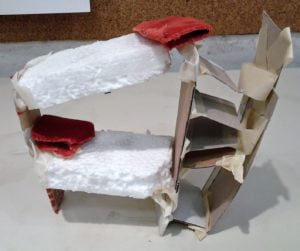
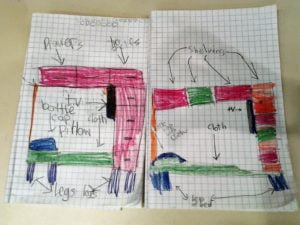
Benjamin Herald from Education Week defines maker education as “using a wide variety of hands-on activities (such as building, computer programming, and sewing) to support academic learning and the development of a mindset that values playfulness and experimentation, growth and iteration, and collaboration and community”. By this definition, we are all makers, and everyone has learned something through making, otherwise you wouldn’t have been able to make it (or to even have fail at making it). Dale Dougherty, founder of Maker Faire and Make Magazine, is said to have coined the term “maker education” in 2013, and it has been encouraged and feared in education ever since (check out his TED Talk, “We are Makers”).
Why is it encouraged? The research is still in its infancy, but the theory is it improves engagement and creates content associations to real world practice, and because of this it is theorized that content retention is higher. Maker Education also encourages critical thinking, learning from failure, group management, social skills, motor skills, and the list goes on.
So why is it also feared? Have you seen a teacher’s schedule? When would they have time to adjust their lessons? More suggestions on how to throw away those worksheets and utilize recyclables coming soon.
Our home, classroom, and communities become places of exploration with teachers, parents, artists, and our peers as our guides. We should encourage the maker mindset in our students (and in everyone) by finding an interest, tinker with it, take your time, and get excited to make mistakes. The learning is in the process, not in the final product, and expect to have a garage full of prototypes! Maker education is a response to a call for help from teachers, parents, and students, let’s work together to constantly evolve. In the meantime, tweet me your maker education challenges and follow me via your favorite social media platform to keep up to date with the blog.